
Follow Us




When it comes to nature's most efficient oil producer, one plant stands far ahead of the others: the oil palm tree. For over 5,000 years, this remarkable tree has been utilized as a natural source of oil, and today, it continues to be a cornerstone of the global food and biofuel industries. If you're looking for a reliable, high-yield source of plant-based oil, understanding the oil palm tree and its by-products is essential.
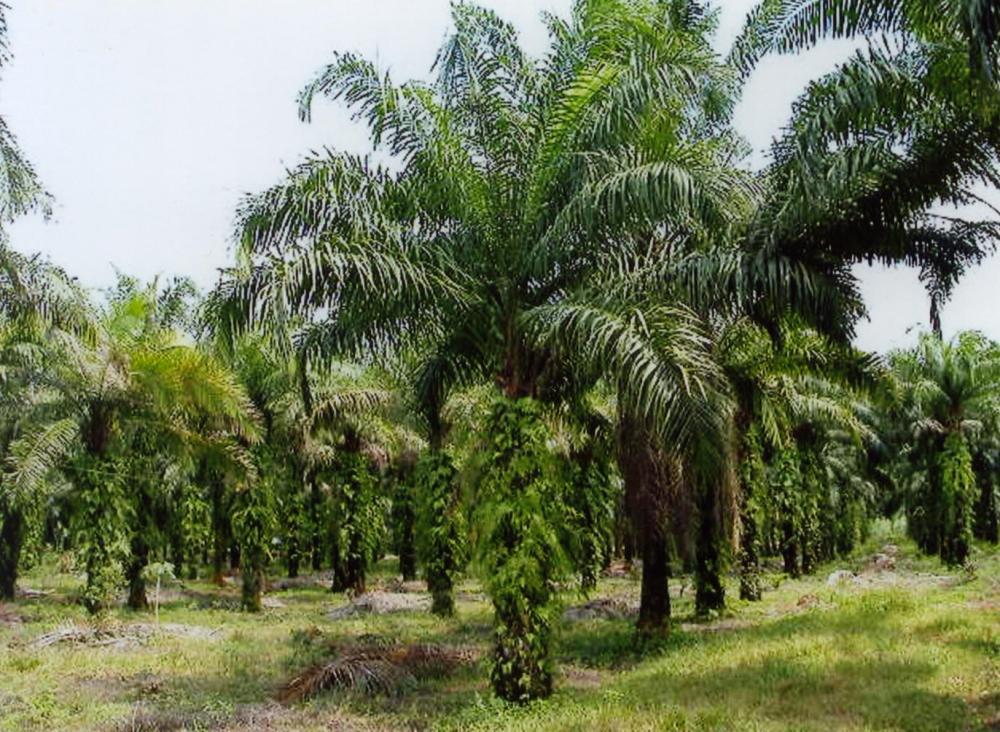 The oil palm tree
Scientifically known as Elaeis guineensis, the oil palm tree is a towering tree from the palm family, reaching heights of up to 10 meters. It is characterized by its large, feather-like leaves that cluster at the top of its trunk. However, the oil palm tree's true treasure lies in its fruit. It can produce large, plump palm fruit bunches, each weighing between 15 and 25 kilograms. A single palm fruit bunch typically contains over 2,000 palm fruits! When ripe, these small, oval-shaped palm fruits turn a vibrant orange-red, indicating they are ready to be harvested.
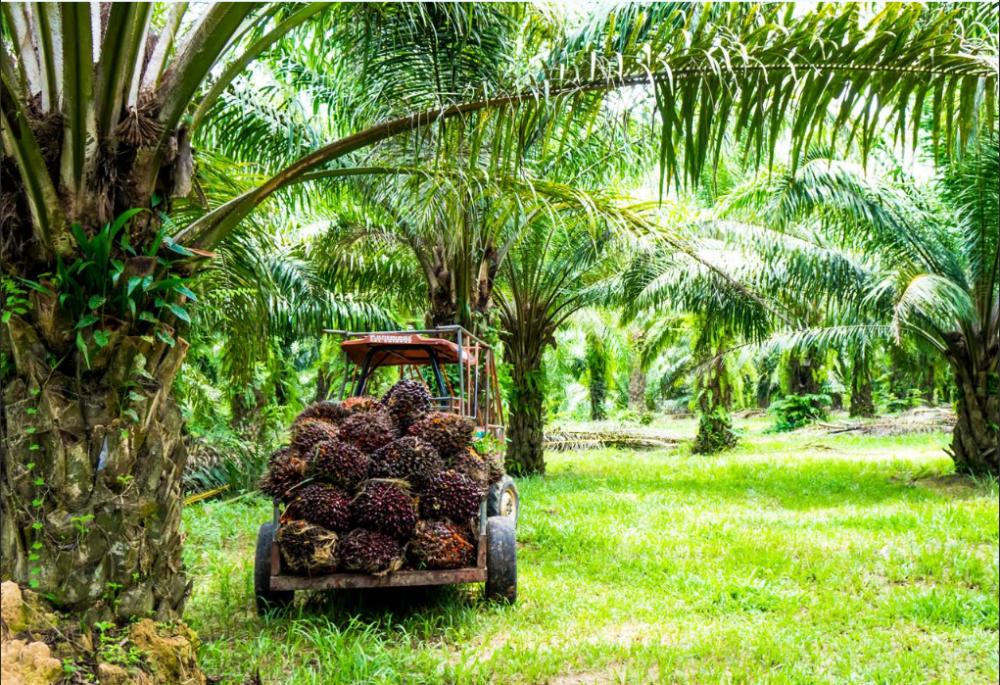 Plump palm fruit bunches
The oil palm tree's dominance stems from its exceptionally high oil content. Fresh palm fruit pulp contains 46-50% oil, while the palm kernel contains as much as 50-55%, far exceeding other oilseed crops such as soybeans. This high oil production efficiency means that more oil can be produced with less land, making the oil palm tree a highly sustainable option from a land-use perspective.
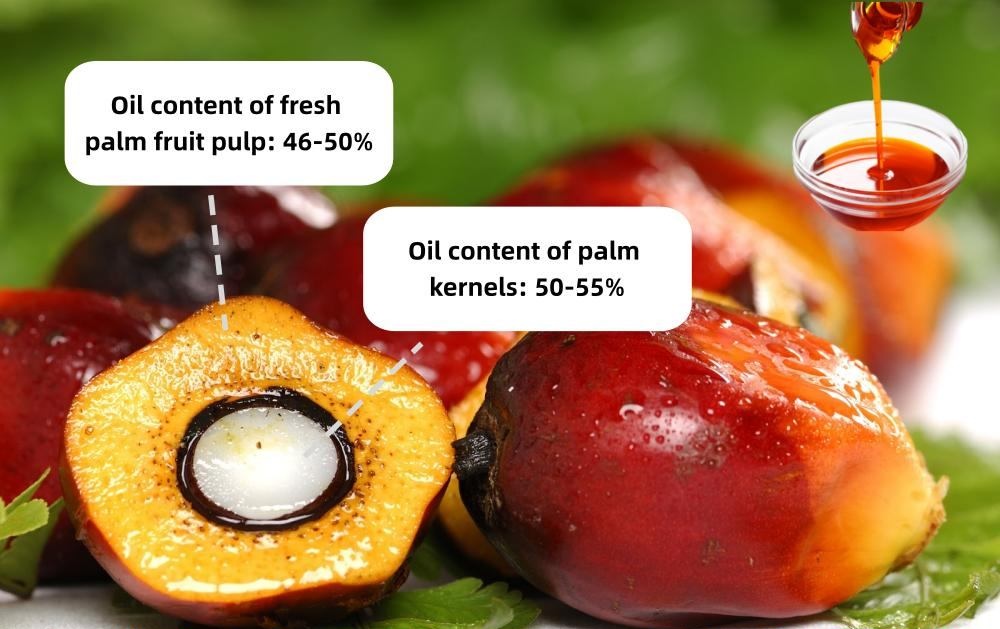 Oil content of palm pulp and palm kernel
To appreciate the efficiency of palm oil production, it's helpful to understand the structure of the palm fruit bunch and its components. Fresh palm fruit bunches (FFB) refer to the entire fruit clusters harvested from oil palm trees, and are the starting point for palm oil production. After steaming, the fruit bunches are separated manually or mechanically into palm fruits and empty palm fruit bunches. The empty palm fruit bunches have a moisture content of about 60%-70%. After mechanical crushing and drying, they become fibrous, and the moisture content can be reduced to below 50%. At this point, they can be directly used as biomass fuel in boilers for combustion.
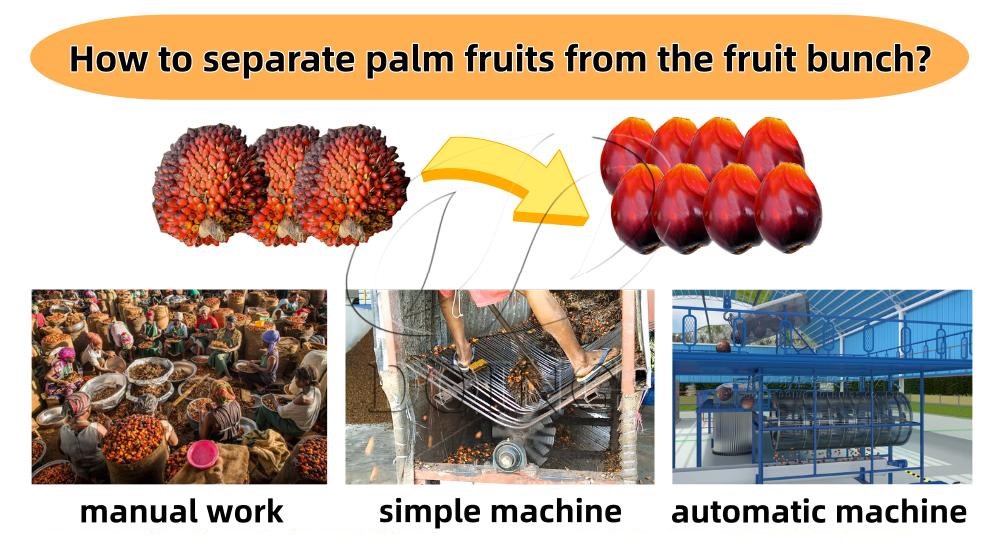 Two methods of palm fruit threshing
Palm fruit consists of three layers: the outer layer is the palm pulp, the middle layer is the shell, and the inner layer is the palm kernel. The palm pulp is the main source of crude palm oil; after pressing, it yields oils used in numerous food and non-food products. The remaining residue, palm fiber, can be used as biomass fuel. Palm shells are very hard, low in moisture, and have a high calorific value, making them an excellent biomass fuel that can be directly burned in a furnace. Palm kernels can be pressed to extract crude palm kernel oil, and the residue is palm kernel cake, which can be used as animal feed or biomass fuel. This holistic utilization ensures that every part of the palm fruit contributes value, making the oil palm tree's operation exceptionally efficient and sustainable.
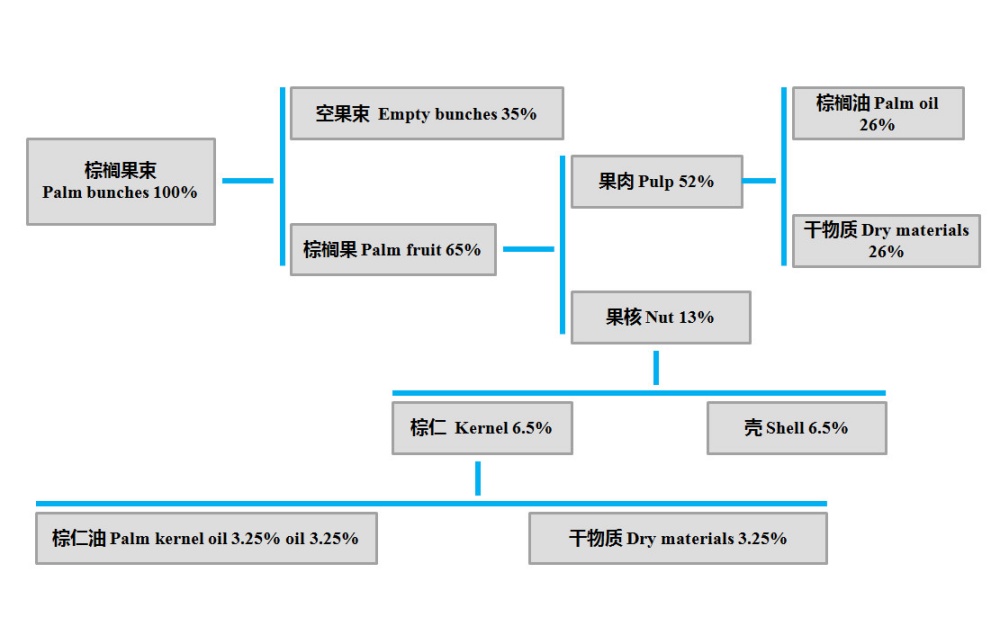 Composition of a complete palm fruit
It is worth noting that oil palm trees are native to a specific band of tropical regions, from 10° south to 15° north of the equator, particularly in the humid forest edges of West Africa at altitudes below 150 meters. Today, the main producing countries are Malaysia and Indonesia, followed by West Africa, Central Africa, and South America. This geographic concentration is key to understanding the global supply chain of palm oil.
For anyone considering investing in palm oil production, understanding the relationship between oil palm tree plantation size and processing capacity is crucial. On average, one hectare of oil palm plantation (containing about 136 oil palm trees) can produce 20-23 tons of fresh palm fruit bunches annually. From this, you can expect to yield approximately 4-5 tons of crude palm oil.
This reliable yield allows for clear planning when configuring a palm oil processing plant. Based on industry standards: A palm oil processing line with a capacity of 500 kg of oil per hour (500 kg/h) would typically require a sustainable supply from about 110 hectares of mature oil palm tree plantation. Similarly, a larger 1 ton per hour (1 t/h) palm oil processing line would need an oil palm tree plantation of roughly 220 hectares. This clear correlation provides a practical framework for potential investors and producers to scale their operations effectively, ensuring that the palm oil processing plant is optimally sized for the available raw material.
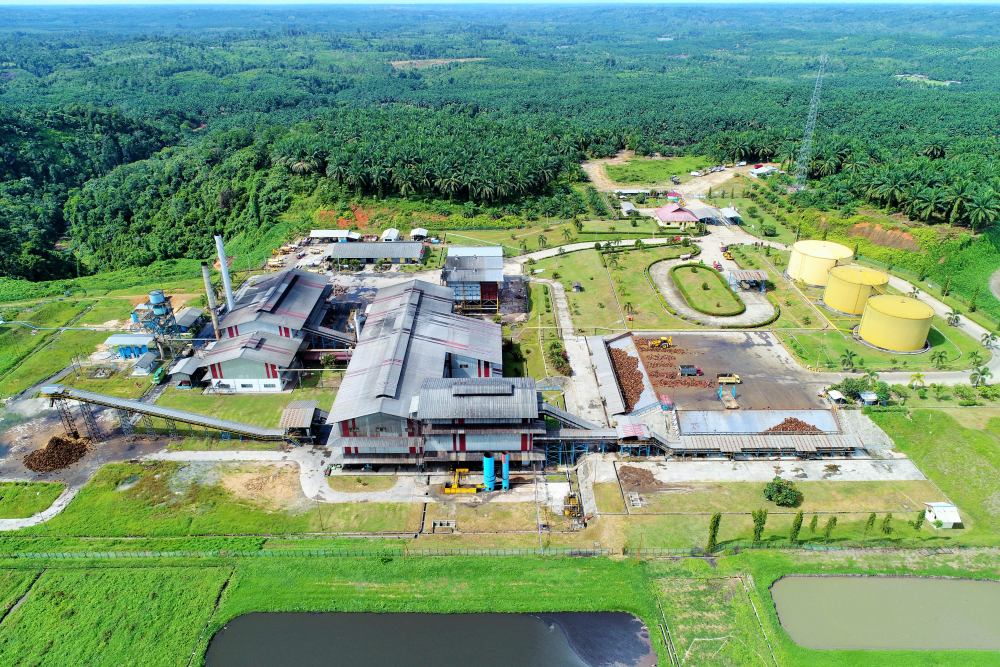 Oil palm plantation and palm oil mill
In conclusion, the oil palm tree is far more than just a plant; it is an indispensable global resource due to its unparalleled efficiency as an oil producer and the full utilization of its fruit. By understanding its biology, structure, and the practical logistics of matching plantation size to processing capacity, you can fully harness the potential of this extraordinary gift from nature.
Please answer the questions bellow before leaving the message. Our sales manager will contact you within 24 hours. And your contact information will be protected!