
Follow Us




In palm oil production, the time interval between harvesting and processing fresh fruit bunches (FFB) directly affects oil quality, extraction rate, and commercial value. Industry practice and technical standards established by the Malaysian Palm Oil Board (MPOB) and PORAM (Palm Oil Refiners Association of Malaysia) require FFB to undergo sterilization (the first critical processing step) within 48 hours of harvesting. If this time limit is exceeded, the FFA content will increase, leading to a decrease in the quality of crude palm oil (CPO), which in turn will compress your profit margin. This article explains the 48-hour rule, why it matters to your operation, and how to avoid costly losses.
As soon as FFB are cut from the palm tree, natural biological processes begin to degrade the oil inside the fruit. The most significant threat is the rapid formation of free fatty acids (FFA).
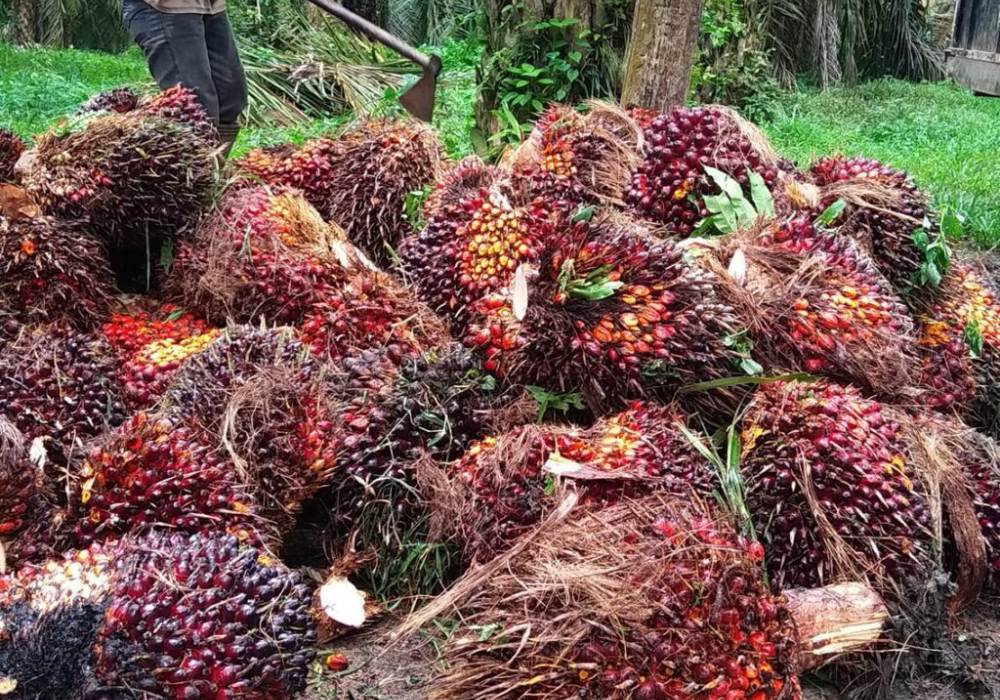 The palm fruit bunches cut from the tree
Lipase enzyme activity: Inside every palm fruit, lipase enzymes immediately begin breaking down triglycerides (the oil) into free fatty acids and glycerol. This enzymatic reaction starts the moment the fruit is detached from the palm.
Microbial activity: Surface bacteria and fungi on the fruit also consume the oil, producing additional FFA as a byproduct of their metabolism.
Respiration and heat buildup: Stacked FFB continue to respire, generating heat and moisture that accelerate both enzymatic and microbial activity — creating a self-reinforcing decay cycle.
FFA levels spike: FFA can increase by 0.1%–0.2% per hour of delay under warm conditions. The increase rate depends on ambient temperature, fruit maturity, and storage method. A batch that leaves the field at 2% FFA could reach 5%–7% FFA within 24 hours of delay — making it unsuitable for premium food-grade applications.
| FFA Content | CPO Grade | Market Implication |
| ≤ 3% | Premium | Premium price, wider market access |
| ≤ 5% | Standard | Standard market price |
| 5%–7% | Below standard | Price penalties apply |
| > 7% | Reject grade | Buyer rejection; suitable for industrial use only |
| (Grades reference MPOB standards and PORAM trading specifications.) | ||
CPO quality degrades: High-FFA crude palm oil requires more complex refining, increasing processing costs and reducing the final product’s shelf life and nutritional profile.
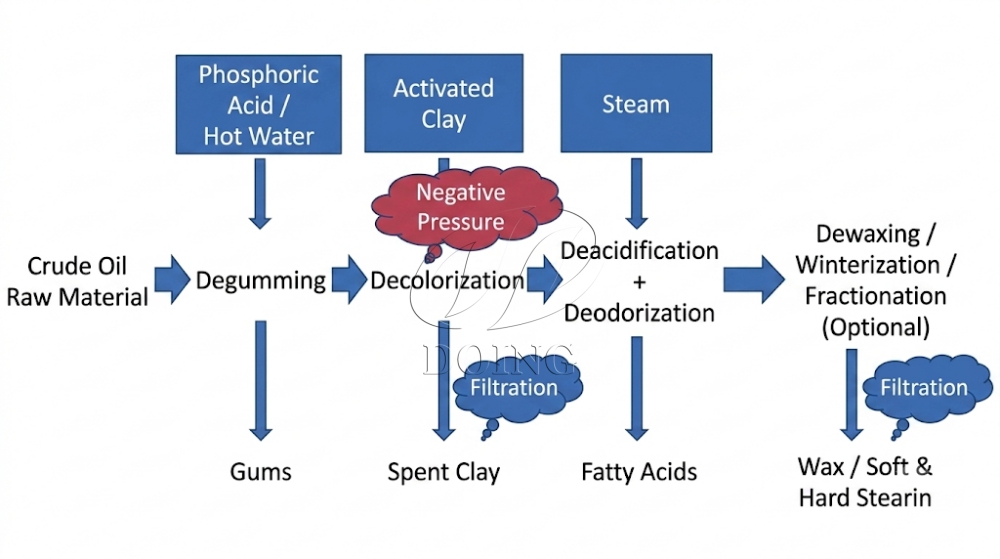 The physical oil refining process flow chart
Market value drops: Buyers pay a premium for low-FFA CPO (typically<5% FFA for standard grades). Excess FFA triggers price penalties or rejection outright.
By-products are affected: High-FFA fruit also produces lower-quality palm kernel oil and reduces the nutritional value of palm kernel cake (used as animal feed).
To stop this degradation in its tracks, the first step in palm fruit sterilization — must be completed within 48 hours of harvest.
| Steam temperature | 130–145°C | Rationale: Exceeds lipase denaturation threshold (approximately 80°C). |
| Steam pressure | 2.5–3.0 bar | Rationale: Saturated steam ensures uniform heat penetration. |
| Processing time | 60–90 minutes | Rationale: Sufficient for full bunch penetration (varies by bunch size). |
| Note: Exact sterilization time and temperature may be adjusted based on FFB ripeness, bunch size, and mill capacity. Under-ripe or over-ripe fruit may require parameter adjustments. | ||
The urgency of the 48-hour timeline directly shapes how palm oil operations are structured. Most palm oil pressing plants are intentionally built inside or adjacent to palm plantations to eliminate long transit times. Even short delays in moving FFB from the field to the mill can eat into the 48-hour window.
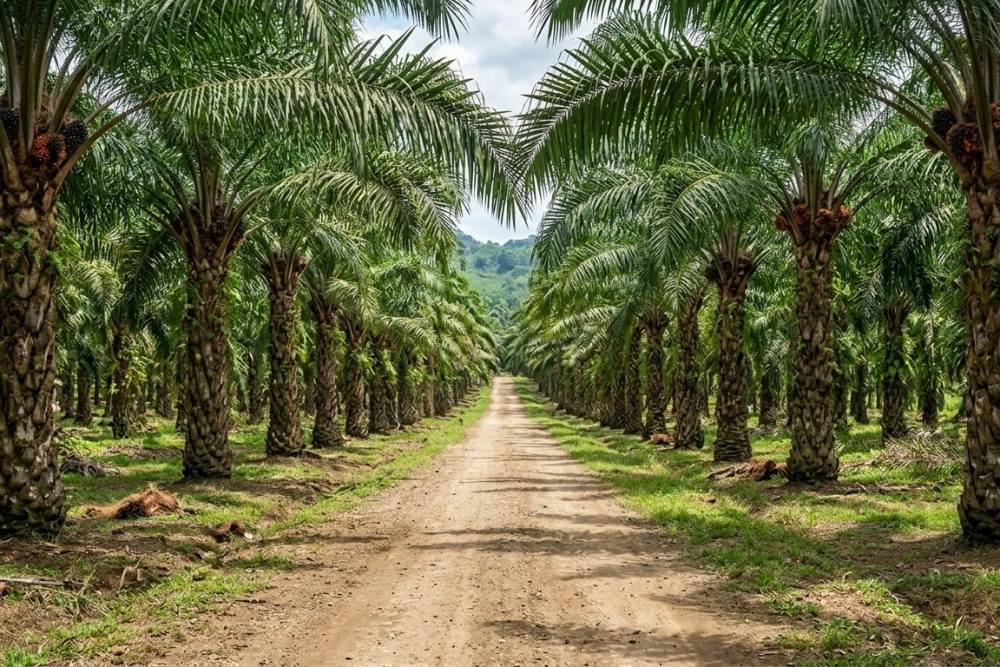 Palm fruit plantation
Transport bottlenecks: Bad roads, inefficient logistics, or distance between field and mill can delay sterilization — leading to FFA spikes before FFB processing even begins.
Field-side storage risk: Storing unprocessed FFB for even a few extra hours triggers spoilage, as the fruit continues to respire and generate heat, accelerating decay. Field stacking in direct sunlight is especially harmful.
Harvest scheduling conflicts: During peak harvesting seasons, palm oil mills can become overwhelmed with incoming FFB. Without proper scheduling, some batches may sit waiting for processing — consuming precious hours from the 48-hour window.
The Malaysian Palm Oil Board (MPOB) recommends that palm oil mills be located within 20–50 km of plantations — ensuring that harvested FFB can reach the sterilization stage within 12–24 hours.
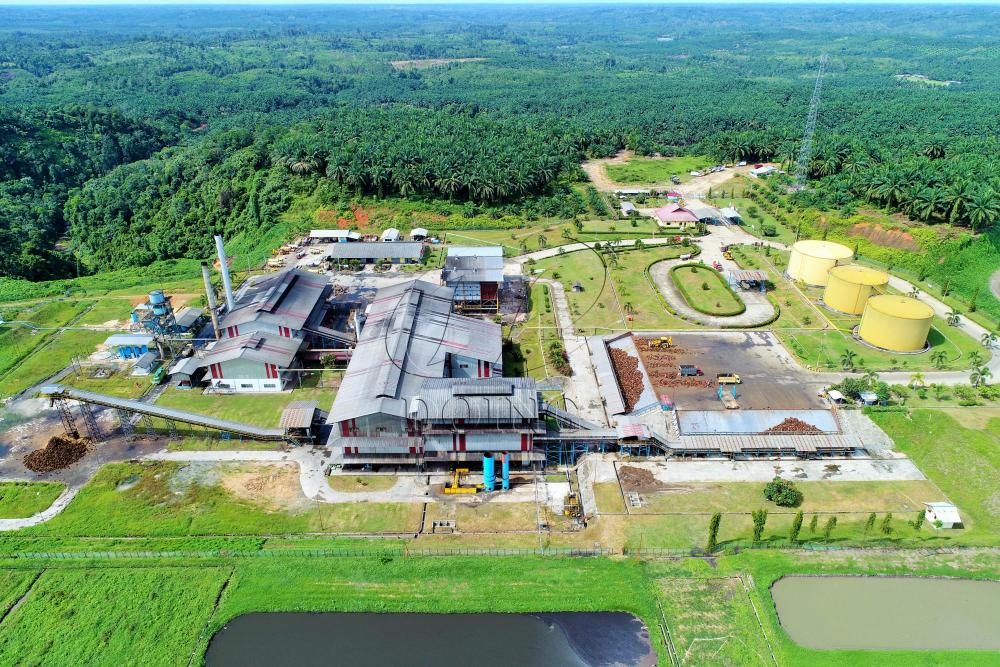 Palm oil mill
| Factor | Impact |
| Transport time | FFB reach the mill within 12–24 hours of harvest |
| FFA control | Less FFA formation before processing |
| Transport cost | Lower cost per ton of FFB |
| Fruit damage | Reduced bruising and deterioration during transport |
| Logistics flexibility | More time margin for processing scheduling |
For large-scale operations, some producers operate palm fruit sterilization units in the field to start the enzyme-killing process immediately after cutting — extending the effective processing window further.
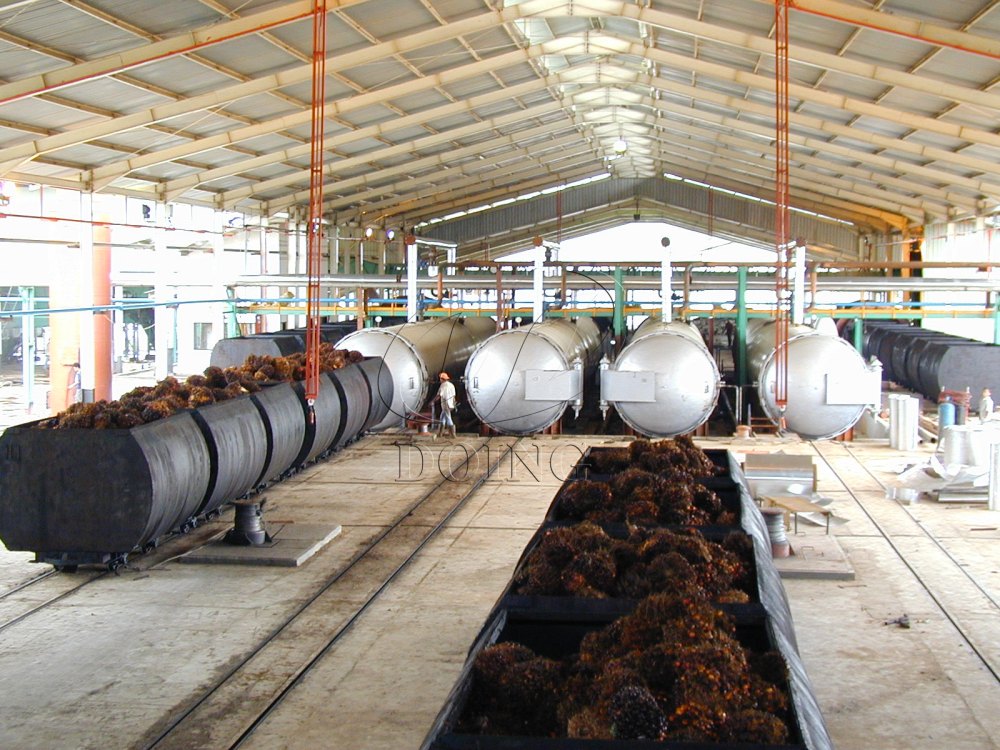 Horizontal palm fruit sterilization equipment
Processing FFB within 48 hours is not just about preventing spoilage — it also optimizes the entire palm oil production process. Timely sterilization treatment delivers three key operational benefits:
By stopping enzymatic activity through high-temperature sterilization, oil producers lock in low initial FFA levels, ensuring the crude palm oil (CPO) meets quality standards from the start. Low-FFA CPO requires less refining, produces a higher-quality final product, and commands premium prices in both food and biodiesel markets.
The heat generated during the sterilization process softens the tough FFB stalks and fruitlets, thereby increasing the efficiency of detaching individual fruits from the bunches by up to 15% while simultaneously reducing wear and tear on downstream equipment (such as the thresher, digester, and presser).
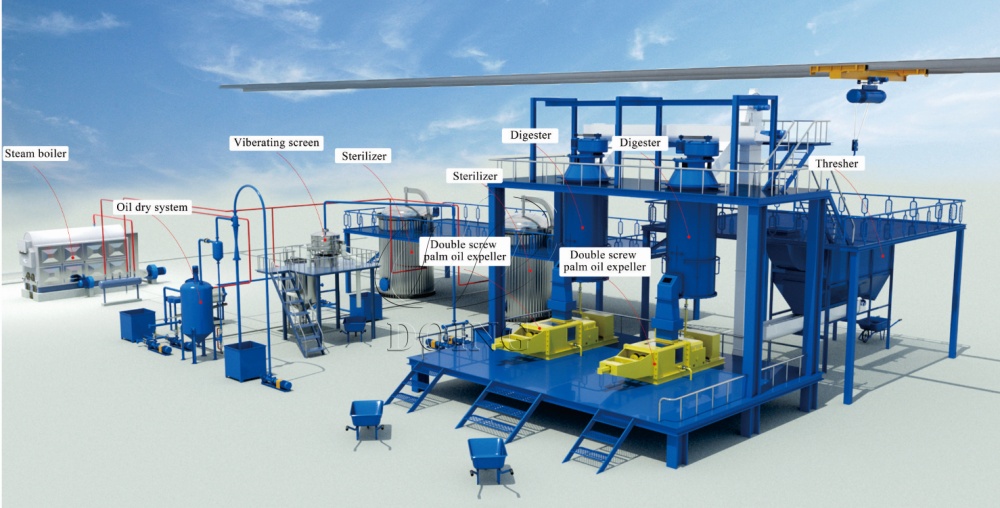 The palm oil production machines
Sterilization ruptures oil-bearing cells in the fruit pulp, bringing oil droplets to the surface of the cells. When the digested pulp enters the palm oil presser, this pre-liberated oil is far easier to extract:
Oil extraction rate (OER) typically increases by 1–3 percentage points for properly sterilized FFB compared to unsterilized fruit.
Less oil is left behind in the press cake (fiber residue), maximizing revenue from each ton of FFB.
Lower moisture content in sterilized fruit improves pressing efficiency and reduces energy consumption.
Delaying FFB processing beyond 48 hours can have cascading negative effects on your production, quality, and profitability:
Under tropical climatic conditions, FFA content often exceeds 5%–8% within 24–48 hours of delay. This high-FFA CPO may only be suitable for non-food industrial applications, commanding significantly lower prices.
Refineries charge more to process high-FFA crude oil because additional steps (physical refining, multi-stage deodorization) are required to remove excess acids. As refining costs rise, profits decrease accordingly.
Spoiled fruit produces less oil per ton of FFB. The degraded, mushy pulp can also clog pressers and damage screw worms — increasing maintenance costs and unplanned downtime.
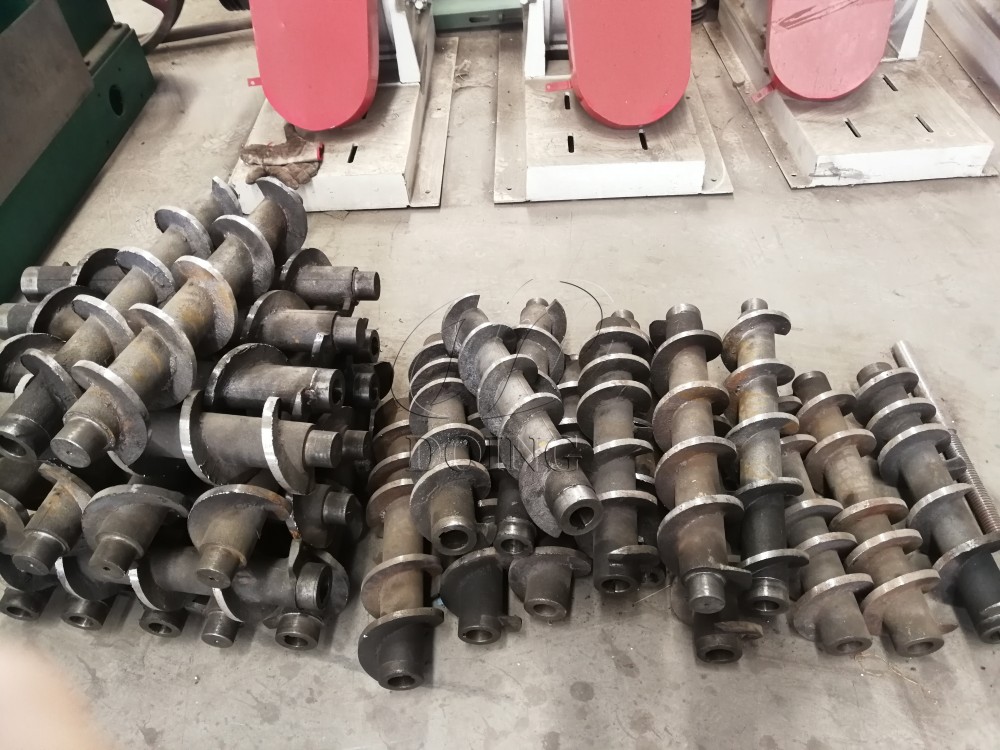 Pressing screw components for oil presses
Q1: How long can FFB be stored before sterilization?
A: Ideally, FFB should reach the sterilizer within 12–24 hours of harvest. Temporary storage (a few hours) is acceptable in a shaded, well-ventilated area. Avoid stacking FFB in direct sunlight or airtight containers — heat buildup accelerates enzymatic activity and FFA formation. Never store FFB for more than 48 hours before processing.
Q2: What is the sterilization temperature and duration in palm oil processing?
A: Standard sterilization uses saturated steam at 130–145°C for 60–90 minutes at 2.5–3 bar pressure. This heat deactivates lipase enzymes, kills surface microbes, and ruptures oil cells for easier extraction. Some mills use batch sterilization, while large-scale operations prefer continuous sterilization (vertical or horizontal sterilizer) for higher throughput.
Q3: Can I process FFB without sterilization?
A: Technically, yes — a single-screw palm oil presser can process fresh FFB directly without sterilization, but this is not recommended for commercial scale. Only small-scale operations should consider pressing without sterilization.
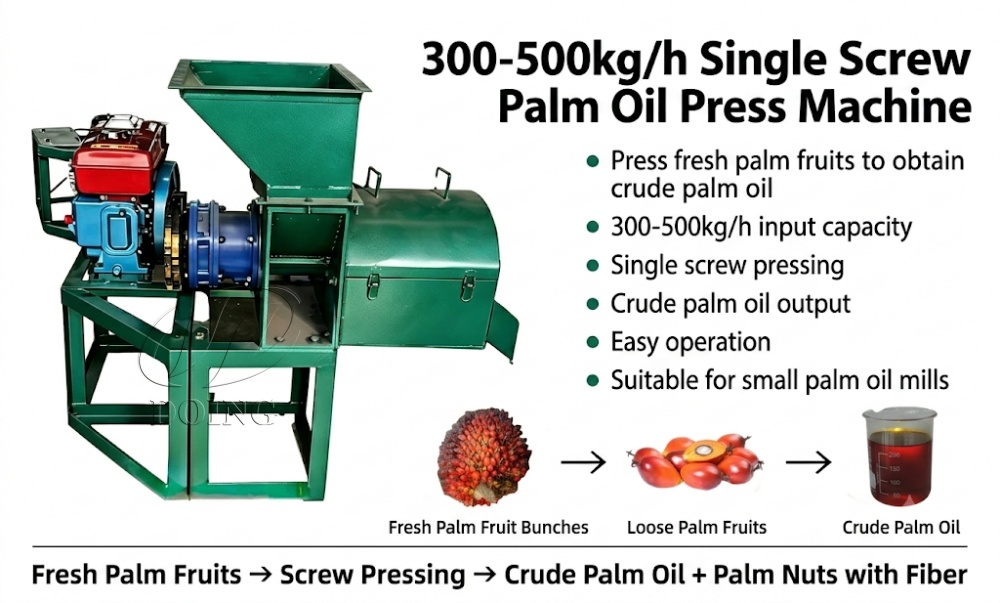 Single-screw palm oil presser
Henan Glory provides complete palm oil processing equipment — from sterilization units to presses — designed to maximize oil yield, minimize FFA formation, and meet the 48-hour industry standard.
Contact our palm oil engineering team for:
· Free consultation with certified palm oil processing engineers
· Customized layout design for your mill capacity and plantation distance
· Complete production line configuration (sterilizer, digester, presser, clarifier)
· On-site installation, operator training, and after-sales support
Please answer the questions bellow before leaving the message. Our sales manager will contact you within 24 hours. And your contact information will be protected!